Batteries
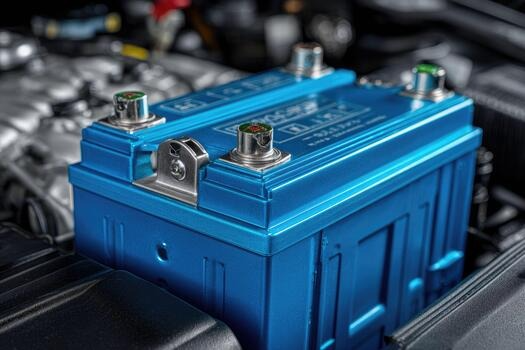
Battery
The automotive battery serves as the heart of a vehicle's electrical system, primarily functioning as a storage device for chemical energy that is converted into electrical power. Its most critical role is providing the high-voltage "cold cranking amps" (CCA) necessary to activate the starter motor and ignite the engine. Once the engine is running, the alternator takes over the primary power supply, but the battery continues to act as a voltage stabilizer and provides supplemental power for accessories like lights, infotainment systems, and sensors when the alternator's output is insufficient. Modern vehicles typically utilize Lead-Acid, Absorbed Glass Mat (AGM), or Lithium-Ion technology, each engineered to withstand extreme temperatures and the constant "cycling" of charging and discharging required for daily operation.
